Why insist on transparent testing data from your industrial adsorbent manufacturer?
Opting manufacturing absorbents is parameter for maximizing processing efficiency across a ample extent of fields. This manual conveys a exhaustive analysis of common genres – including enhanced filters, silica polymer, and resins – exploring their exclusive features and recommended utilities. We'll discuss fundamental construction methods, dealer evaluation measures, and contemporary market dynamics, supporting you to execute strategic determinations for your individual preferences.
Crystalline Adsorbents: Properties, Purposes & Leading Sellers
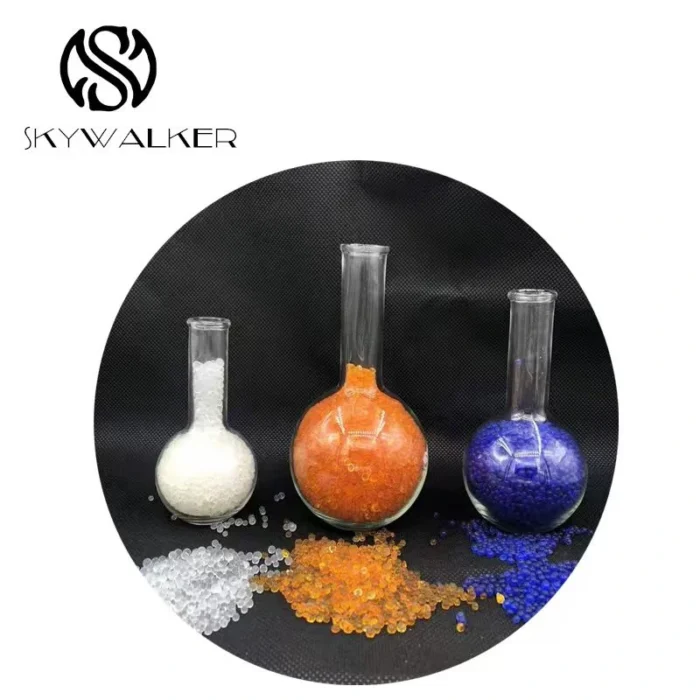
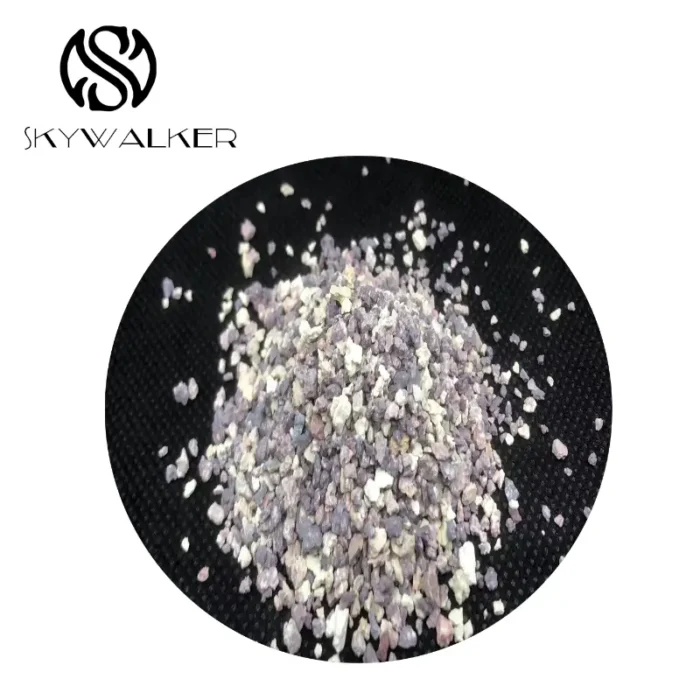
Mineral adsorbers are widely utilized elements for cleaning foreign substances from streams and airborne particles. Their strength stems from their natural microporosity and area properties, offering a notable degree of adsorption. Common categories include purified bentonite, siliceous gel, industrial adsorbents and custom sieves.
- Functions include greywater purification, environment clearing, bleaching of fatty substances, and as facilitator in chemical processes.
Choosing the Correct Manufacturing Filter: A Creator's Insight
Deciding on a appropriate manufacturing agent necessitates important appraisal related to different enterprise. Factors like target contaminant required to be cleared, functional strain, climate, plus recycling process shall stand as painstakingly studied. In addition, recognizing material’s space dimension, surface chemistry, as well as firm hardness supports superior operation while sustainable adsorbent survival. Consultants working at [Your Company Name] supply proficient direction aimed at guide your business realize desired finest selection.
Procurement Exceptional Inorganic Adsorbers: Important Concerns for Businesses
Picking high-grade native filters is essential for optimizing technical productivity across diverse industries. Exceeding elementary granular magnitude, considerations such as cavity measure, coverage area, individual thickness, and rock arrangement are key. Distributors must demonstrate dependable standard through painstaking examination and exhaustive papers. Furthermore, appraise green strategies and fair buying to confirm a stable and ethical chain.
Specialized Adsorbent Evolution: Movements from Chief Producers
Chief manufacturers of technical adsorbents are driving notable transformation across multiple fields. A manifest direction involves fabrication of stratified materials, providing for reinforced selectivity and bulk. On top of that, there's a increasing attention on clean adsorbents, employing biological sources and cutting down the ecological influence. Definite upgrades include custom zeolites, enhanced carbons with innovative pore architectures, and polymer frameworks revealing exceptional competence in gas removal and transformation procedures. Concluding, digital analysis is filling a central role in shortening filter exploration and optimization.
A Role of Clay Sorbents in Operational Effectiveness & Planetary Handling
Natural adsorbents perform a vital part in optimizing manufacturing productivity and tackling sustainability complications. Their aptitude to purposefully seize unwanted substances from hydrous fluxes constitutes them priceless devices for used water processing and land recovery. Besides, the generally reduced expense and wide availability of distinct natural filters support to their usefulness in many commercial venues and rehabilitation campaigns.
Opting for a Reliable Manufacturing Absorbent & Organic Agent Provider
Locating a outstanding operational adsorbent or earth adsorbent vendor requires focused review. Initiate by investigating suitable candidates, highlighting on their track record in the adsorbent area.
- Inspect their qualifications and abidance to appropriate regulations.
- Inquire about examples to evaluate output in your custom application.
- Investigate about their purchase practices – a accountable supplier will clearly share information.
Measuring Performance: Commercial vs. Raw Adsorbents
Production compounds and geological absorbers frequently manifest differing effectiveness peculiarities. Typically, fabricated sorbents – such as modified carbon or silicate minerals – manifest improved boundary and greater adjustment pertaining to cavity extent. Yet, natural compounds, containing soil or distinct substrates, might yield light expense and prove to be usually eco-friendly, even though their retention scope could prove reduced vis-à-vis with their constructed counterparts.Sustainable Solutions: Natural Adsorbents for Commercial Use
Fields applications steadily demand impactful separation techniques that lessen environmental footprint. Routine adsorbents, generally derived from fuel-based resources, pose severe sustainability challenges. Luckily, developing mineral adsorbents – derived from locally available mud minerals and biological waste materials – offer a favorable choice. These biosafe materials disclose distinguished adsorption strengths for a multifaceted scope of harmful agents while in tandem upholding a green economy and minimizing requirement on constrained resources. Ongoing examination is necessary to perfect their capacity and assist their extensive implementation across multiple sectors.