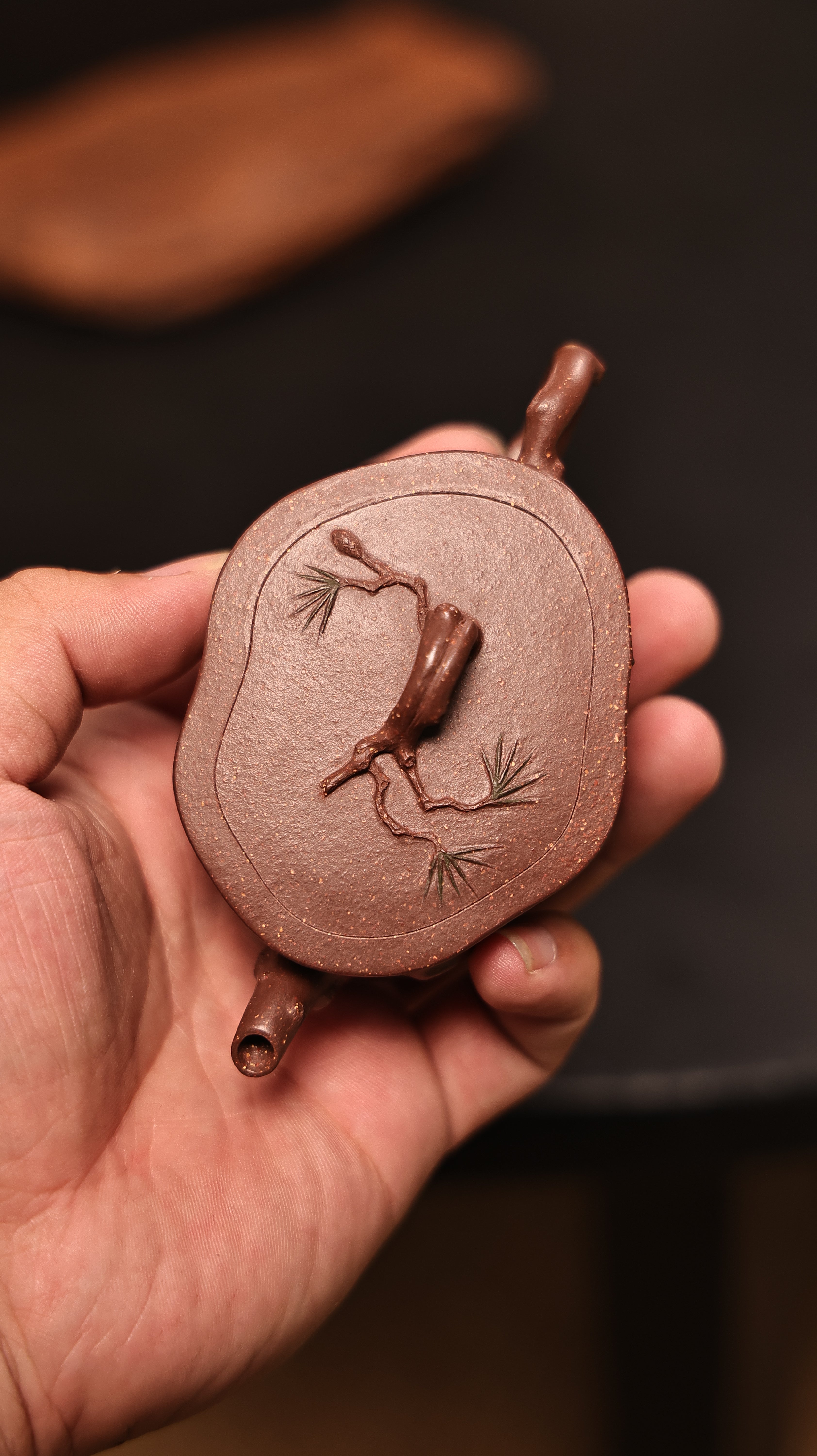
Why does a handcrafted Purple Clay Teapot photograph so well in lifestyle shots?
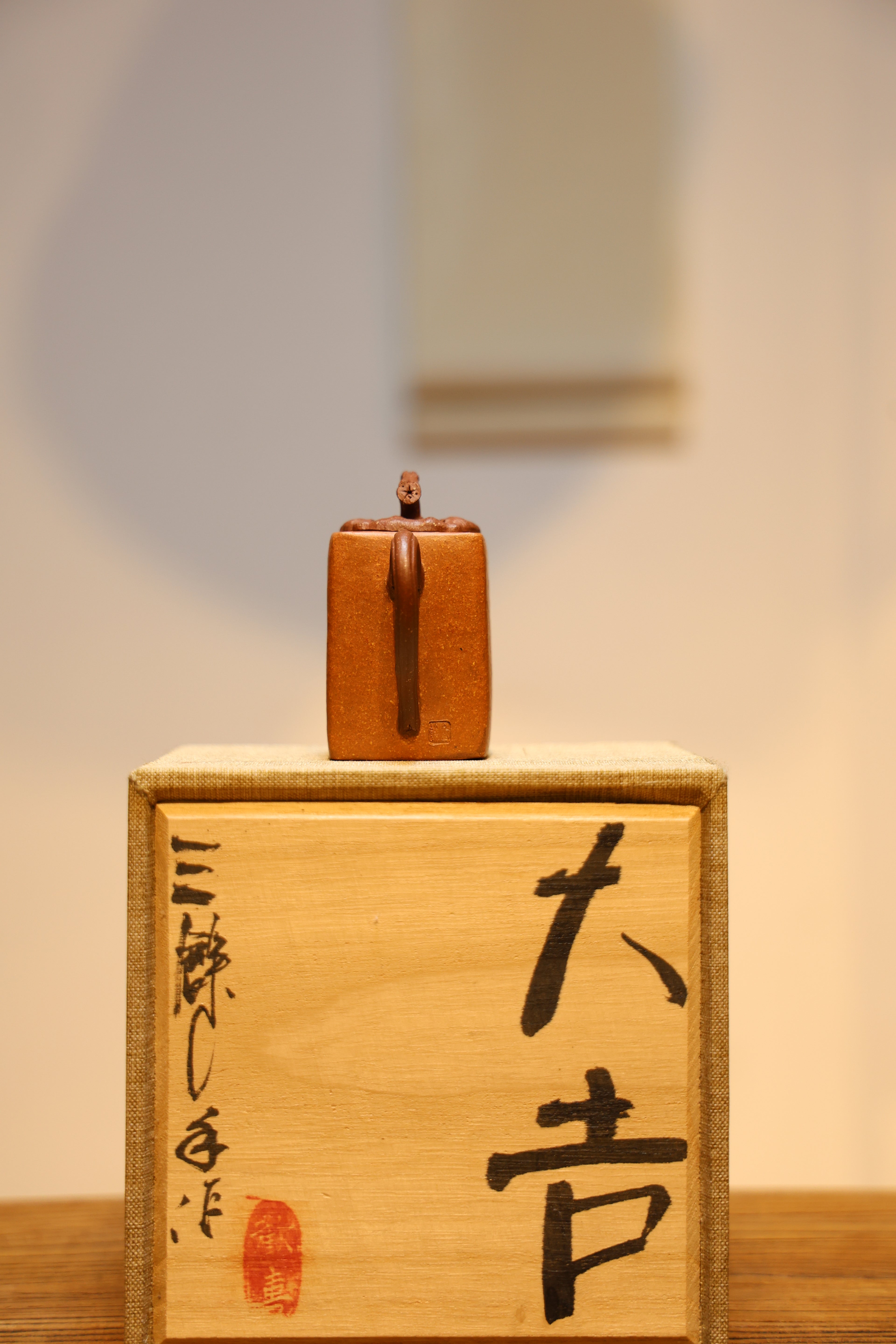
Throughout countless generational spans,
Following periods, admirers have been engaged by the singular charm of Yixing Zisha containers. Originating from the district of Yixing in the Jiangsu Province, these artifacts are renowned for their distinguished beauty, exclusive clay, and fundamental ability to refine the flavor of the infusion. The earth's distinctive reddish-purple hue, combined with the talented handiwork of regional makers, creates items that are and functional creations and prized assets. Owning a Zisha teapot is more than just an purchase; it's immersing oneself in a rich historical heritage.
Comprehending Yixing Teapots: History, Types, and Esteem
Famous Yixing teapots manifest a vast record deeply intertwined with Chinese culture. Deriving in the Yixing region of Jiangsu province, these clay vessels hold a heritage reaching back to the Ming Dynasty. First examples were functional, but throughout centuries, Yixing teapot making evolved into an esteemed art form. The clay itself, known for its unique feature and ability to raise the flavor of the tea, endures a defining factor. Yixing teapots arrive in various forms, broadly categorized by shape: Historic such as Zhuni (purple clay) and Bisheng, as well as refined designs. The merit of a Yixing teapot relies on several factors, including the potter’s Zisha Teapot fame, the age of the piece, the rarity of the clay, and its aesthetic appeal.- History: Ming Dynasty
- Element: Different forms
- Cost Determinants: Scarcity
Zisha Craftsmanship: Methods and Makers
Unique construction of a authentic Zisha teapot is a detailed process, requiring generations of mastery. Seasoned artisans meticulously source the highest quality Zisha clay, a singular earth found only in specific regions of China. Conventional techniques, often inherited through families, involve exact shaping, delicate carving, and calm firing in ancient hearths. The finished teapot isn't merely a utensil; it's a testament to aesthetic vision and the substantial connection between the maker and their lineage. Each product showcases the individual touch of the creator, resulting in a truly one-of-a-kind work of masterpiece.
Historical Teapots: Investigating the Rich Cultures of Yixing
Famous Yixing, placed in Jiangsu the jurisdiction, is universally renowned for its exceptional culinary pots – a tangible representation of centuries of Chinese culture. These aren't merely vessels for manufacturing tea; they are intricate works of skill, often reflecting ideological ideals. A unique purple clay, known as Zisha, possesses extraordinary qualities: the element dense, breathable, and imparts a subtle essence to the tea.
- Plentiful clans have honed the techniques of Yixing urn making, passing down exclusive methods through families.
- Admirers prize these pieces for their charm and uniqueness.
- A number of piece tells a tale, connecting the consumer to a rich tradition.
Purchasing Yixing Zisha: Critical Aspects
Considering exploring buying Yixing Zisha ceramics, several distinct elements necessitate careful inspection. Preliminarily, the ingredient's color is important; authentic Zisha commonly exhibits a evident maroonish gradient. Also, evaluate the craftsmanship; precise features and a elegant overlay demonstrate expert production. To finish, examine the artisan's credentials; famous names earn enhanced fees and often grant a promising profit.
Zisha Pot Techniques for Tea Brewing
Infusing savory tea with a Zisha urn is more above a simple procedure; it's an discipline. Zisha clay, known for its unique earthen composition, imparts a gentle character to the processed tea that’s often not found with other vessels. The correct water heat is vital; typically, moderated than what's used for black tea, to sustain the tea's odor and character. Consider attentively the tea variety; delicate green teas or aged pu-erhs advance from the Zisha’s ability to lessen their original edge. It’s vital to rinse the teapot before brewing, and to exclude over-steeping. Mastering this craft leads to a sincerely exceptional tea enjoyment.
- Recognizing Zisha Clay
- Heat Intensity & Tea Selection
- Criticality of Initial Heating
Preserving Your Yixing Earthenware
So as to ensure the persistence of your valuable Yixing teapot, systematic preservation is absolutely mandatory. Refrain from using synthetic products; instead, carefully wash it with pleasantly heated fluid. Avoid sharp shifts; refrain set the ceramic pot directly onto a scorching support. Periodically, enhance the teapot by soaking it with high-quality matured brew, as this facilitates to enhance its essence and safeguards the singular qualities of the medium.
From Earth to Cup: The Progression of a Classic Brewing Device
Such creation of a Zisha teapot is a astonishing system, a testament to both the globe's bounty and the mastery of the craftsman. It launches with the exact extraction of the unique clay from the violet Zisha mines close to Yixing. This virgin material, known for its magnificent peculiarities, is then measuredly clarified and organized for the beginning forming. The bottle’s configuration is precisely constructed using a union of historical sculpting practices, often incorporating decorative decorations. Following seasoning, the pot undergoes a crucial first firing, complemented by a layering stage, which might involve multiple layers of traditional Zisha layers. Finally, a second, and sometimes third, firing at robust temperatures renders the piece, revealing its ultimate beauty and splendid characteristics - a real masterpiece, equipped to embellish a tea session.
{Yixing Teapots: A Symbol of Chinese Tradition and Appreciation
Yixing teapots, originating from the renowned Yixing region of Jiangsu province, are far more than mere jars for brewing elixirs; they represent a important aspect of Chinese culture. Fabricated from distinctive purple clay – zisha – these singular teapots are highly prized for their ability to refine the flavor of the tea and, crucially, for their elegance. The annals of Yixing teapot making spans centuries, and the know-how involved is relayed through generations, making each teapot a cultural artifact that embodies time-honored techniques and a profound appreciation for the simple pleasures in life.