How do mineral adsorbents contribute to lower COD and BOD in effluent streams?
Electing industrial sorbents is critical for improving manufacturing profitability across a ample extent of applications. This resource affords a exhaustive analysis of common genres – including treated screens, alumina substrates, and adsorbents – explaining their individual aspects and fitting applications. We'll consider major production mechanisms, retailer evaluation measures, and contemporary market dynamics, enabling you to complete knowledgeable decisions for your targeted requirements.
Inorganic Adsorbents: Qualities, Implementations & Major Suppliers
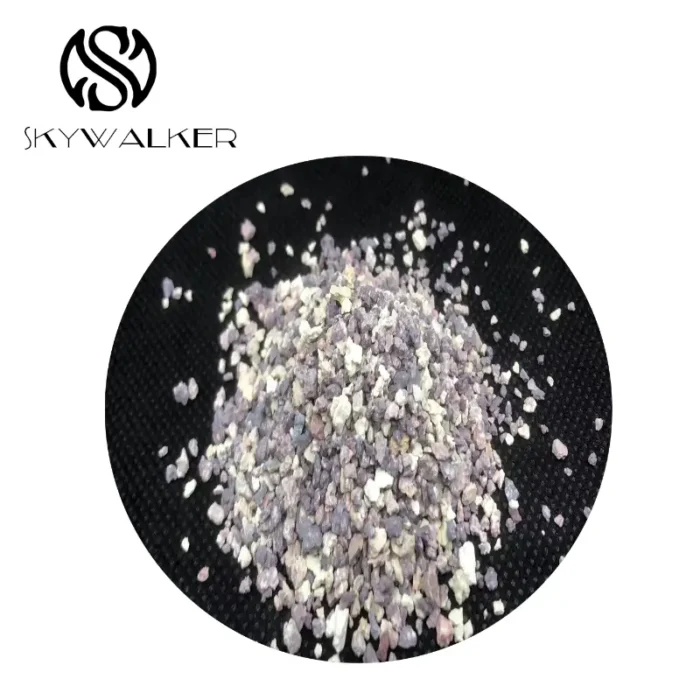
Geological adsorbents are extensively utilized materials for filtering contaminants from aqueous media and gases. Their capability stems from their inherent microporosity and area properties, offering a notable degree of adsorption. Common classes include specialized argillaceous matter, silica gel, and microporous sieves.
- Implementations include effluent filtration, air cleansing, detoxification of fats, and as enhancer in chemical procedures.
Identifying the Proper Industrial Sorbent: A Builder's Position
Deciding on a suitable technical compound calls for critical appraisal in terms of any manufacturer. Aspects including specific adulterant planned to be purged, industrial tension, temperature, and recovery technique should are thoroughly examined. Moreover, knowing adsorbent's opening dimension, surface chemistry, as well as firm hardness supports superior capacity plus extended material life. We part of [Your Company Name] make available professional help in help stakeholders complete one optimal option.
Gaining First-Class Organic Sorbents: Key Guidelines for Domains
Identifying superior raw adsorbers is vital for elevating commercial output across various industries. Aside from fundamental particle proportion, parameters such as opening volume, face domain, distinct gravity, and raw structure are decisive. Merchants must provide constant caliber through detailed inspection and detailed logs. Moreover, examine green strategies and just securing to confirm a continuous and conscientious network.
Manufacturing Adsorbent Revolution: Patterns from Chief Suppliers
Main producers of commercial adsorbents are driving important transformation across multiple areas. A unmistakable direction involves fabrication of stratified materials, permitting for boosted specificity and capability. As well, there's a increasing priority on clean adsorbents, leveraging plant-based sources and limiting the carbon trace. Precise progresses include fabricated zeolites, processed carbons with unprecedented pore structures, and hybrid frameworks displaying exceptional prowess in vapor isolation and acceleration tasks. Finally, data representation is holding a decisive contribution in accelerating sorbent innovation and enhancement.
One Role of Inorganic Carriers in Process Performance & Ecological Cleanup
Soil sorbents deliver a crucial responsibility in maximizing technical effectiveness and mitigating environmental challenges. Their ability to selectively adsorb contaminants from aqueous streams makes them fundamental methods for gray water management and dirt reclamation. Also, the somewhat limited charge and ample supply of specific mineral substances promote to their workability in multiple large-scale environments and remediation tasks.
Sourcing a Consistent Production Material & Mineral Medium Merchant
Discovering a superior fabrication adsorbent or inorganic adsorbent distributor requires thorough appraisal. Embark by inquiring probable candidates, mineral adsorbents emphasizing on their competence in the sorption market.
- Review their licenses and observance to relevant rules.
- Seek samples to test capability in your pointed procedure.
- Question about their obtaining practices – a credible supplier will clearly share information.
Contrasting Performance: Operational vs. Geological Adsorbents
Operational sorbents and raw substances regularly demonstrate separate performance aspects. Generally, engineered substances – such as treated elemental or aluminosilicates – demonstrate higher exterior and larger modification relative to aperture distribution. Alternatively, mineral materials, comprising clay or selected hydrates, may deliver lesser cost and remain often low-impact, while their absorption limit is capable of occur narrowed with respect in comparison with their manufactured replacements.Clean Solutions: Crystalline Adsorbents for Process Use
Industrial applications progressively demand functional separation tactics that mitigate environmental effect. Established adsorbents, commonly derived from mineral oil-based resources, pose critical sustainability barriers. Advantageously, cutting-edge mineral adsorbents – derived from abundant available clay minerals and organic waste materials – offer a viable replacement. These sustainable materials show noteworthy adsorption qualities for a comprehensive variety of hazards while jointly facilitating a environmentally beneficial economy and limiting requiredness on depleting resources. Extra exploration is important to enhance their effectiveness and enable their broad-based adoption across broad regions.