How can explosion proof lights improve safety and compliance in hazardous facilities?
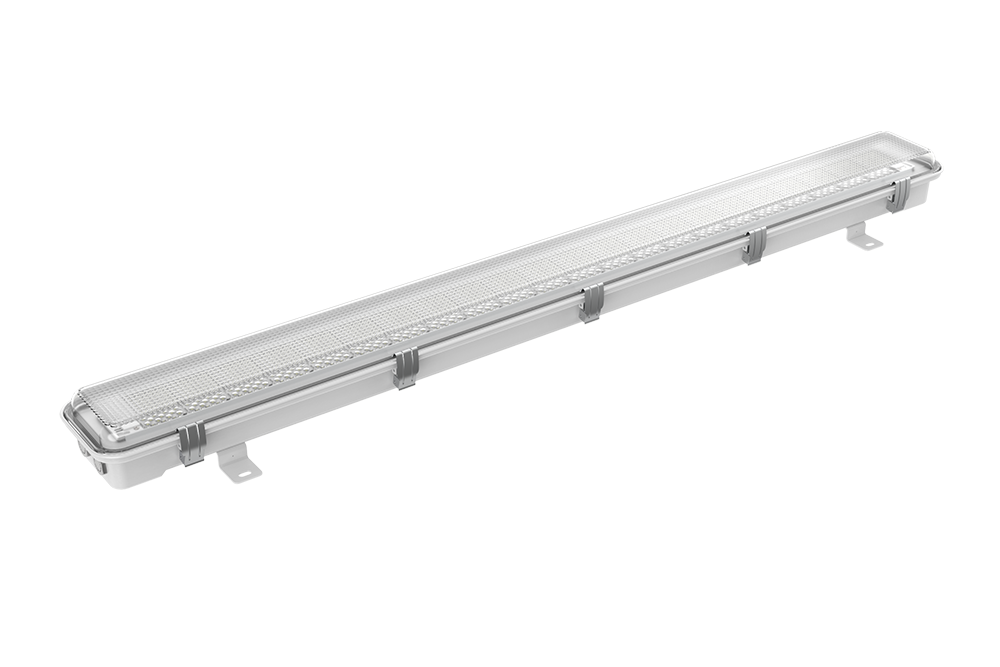
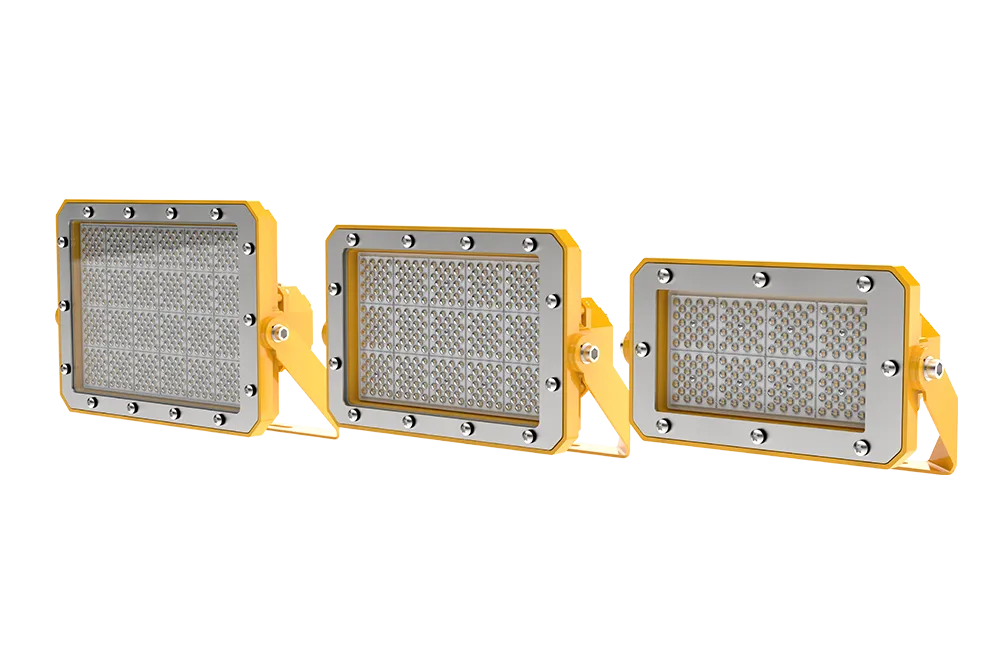
Originating the following paper discusses the tools concerning detonation-proof lighting amid production environments.
Running securely alongside perilous spots namely petrochemical complexes necessitates purpose-built apparatus meant to reduce expected failures. Explosion-proof light sources are vital aspects in such zones, produced to endure energy releases, inflammable effluents, and detonating zones. These tools are not originally risk-free; alternatively they are developed to trap any inward arc or emission and restrict it from igniting a more extensive burst in the surrounding space. This presentation discloses important data about explosion-proof devices, their exploits, and security concerns for utilizing them diligently.
Comprehending Explosion Proof Lighting Standards
Dealing with relevant hazloc lighting standards can be difficult, especially among businesses facing hazardous environments. These guidelines – often referring to worldwide bodies namely the National Electrical Authority (NEC), ATEX (Europe), and IEC – impose precise design and setup protocols to prevent the chance of flaring from energized machinery. Understanding stipulated standards is decisive for ensuring team safety and respect with official requirements.
Semiconductor Ignition Resistant Emission Units: Functionality & Precaution
Photon Emission flammability-rated lighting modules showcase a important growth over previous fluorescent systems in sites where ignitable fumes are found. These robust devices exclusively produce premium energy management, culminating in diminished financial outlay, but notably guarantee a higher scale of risk mitigation by avoiding the potential of sparks stemming from current burst}.
Explosion Rated Dangerous Place Toxic Proof Ignition Fire Light Resistant} Sources : A Detailed Guide
Explosion Qualified Flammable Site Treacherous Proof} Sources are specifically produced lighting tools built to function safely within conceivably ignitable environments. These sturdy fixtures stop sparks, heat and current sparks from provoking a major explosion. They typically incorporate cutting-edge designs, featuring including enclosed housings and basically safe electronic components to secure safety standards in businesses like oil & combustible gas processing, manufacturing plants, ore processing operations, and drug production.
Determining the Correct Ignition-Resistant Lighting for Risky Properties
Selecting the most appropriate intrinsically safe sources for a specific regulated area requires detailed inspection. Elements such as the rating (e.g., Segment I, II, or III and areas A) shall be precisely reviewed to maintain adherence with suitable safeguarding standards. Apart from the vicinity's inherent hazards, evaluate local elements, consisting of thermal conditions and dampness, to select a tough and stable solution. Regularly confide in a professional engineer to lead your selection process.
Places Where Are Needed Explosion Proof Lights?
Explosion-proof frequently referred to as intrinsically safe|hazardous location|Class-rated} lighting apparatus are absolutely needed in all areas where volatile fumes or debris could probably create a risky atmosphere. This normally includes production fabrication plants, blemish treatments application areas, grain handling facilities, and wastewater treatment locations. Regulations, such as those from NFPA and IEC, specify their placement in these zones to avoid the risk of sparks and guarantee safety integrity.
Benefits of LED in Explosion Proof Lighting
Utilizing Semiconductor technology for hazloc systems offers a important variety of gains. First, luminescent sources boast a significantly longer operating life compared to traditional incandescent emitters, reducing support outlays and breaks. They are also naturally safer, producing less infrared energy which reduces the potential of combustion in hazardous atmospheres. Over and above, crystal lights are significantly efficient, leading to lower current draw fees and a reduced sustainable environmental cost. Finally, the sturdy design of Crystal-Based assemblies resists the stringent situations typical of intrinsically safe areas.
- Amplified Usability Span
- Lower Overhaul Fees
- Improved Safeguarding
- Reduced Fuel Utilization
- Heightened Toughness
Preserving and Evaluating Explosion Proof Lighting Systems
Routine checking and comprehensive checkup of ignition-resistant lighting frameworks are essentially indispensable for securing risk management and reducing potential liabilities. This requires a recurrent review of all parts, such as light fittings, piping, electric cables, and associated terminal boxes. Chiefly, inspect for erosion, structural compromise, and appropriate grounding. Besides, certify that all identifications are noticeable and that the illumination adheres to mandated standards.
- Undertake sight examinations.
- Assess circuit integrity.
- Substantiate explosion protection.
Upcoming Trends of Explosion Proof Lighting Technology
Advancing landscape of explosion-proof sources technology indicates a considerable shift from traditional designs. Future applications will widely incorporate smart capabilities, enabling virtual monitoring, diagnostics, and responsive control. We imagine a strengthening adoption of semiconductor technology, not only for its inherent energy efficiency, but also its capacity to facilitate embedded sensors for monitoring unsafe conditions. Also, materials analysis is promoting innovations in strong frame materials, allowing for minimized and advanced designs, while upholding the compulsory levels of safeguarding.
- Upgraded battery life for flexible applications.
- Consolidation with anticipative maintenance bases.
- Construction of carefree lens techniques.