How can a high-end Chinese Teapot collection strengthen your brand’s positioning in luxury tea?
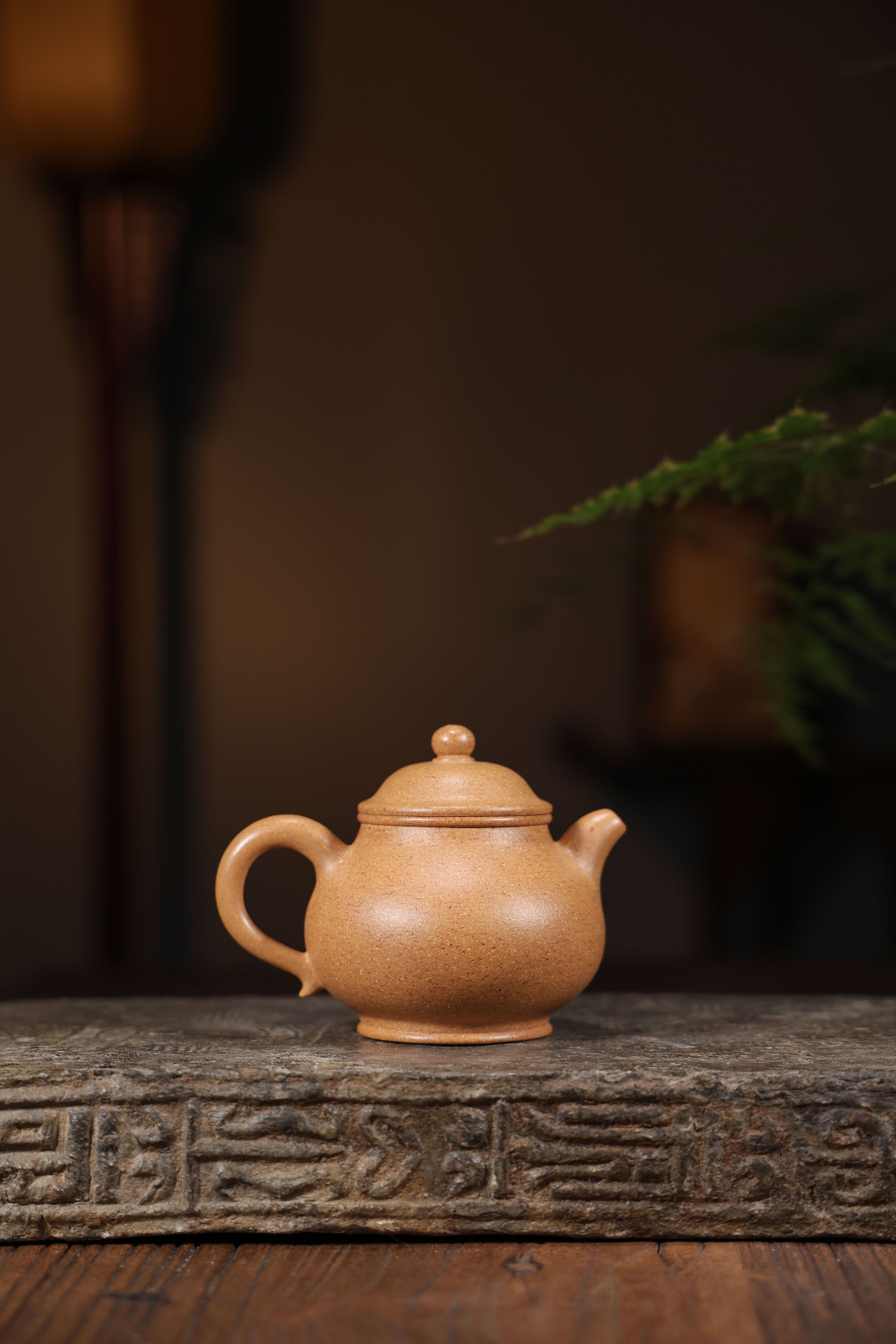
Lasting lineage determines Huaihai mugs amid generations,
Demonstrating original attributes extracted across local purple soils, these vessels evolve a sheen across application, augmenting aroma drawn from infused beverages.
Understanding Yixing Earth: Detailed Insights into Zisha
Countless aficionados appreciate the distinctive texture of Yixing purple clay, a cornerstone of enduring Chinese workmanship. Springing from the Yixing region of Jiangsu province, this exquisite clay holds an elaborate mineral structure, that delivers incredible qualities to the manufactured objects. Kinds within Zisha, including Zhuni Mud, Duan Ni Mud, and Jiang Xi Mud, each has distinct pigments, grains, and curing traits, impacting the porosity and the definitive aroma enhancement of the brew.
Eastern Teapot Rituals: Understanding Mastery
Mandarin teapots embody more mere urns for liquid; they symbolize centuries of inherited artistry. From the renowned Yixing clay variations, respected for their porous nature which bestows exclusive notes to the concoction, to the subtle porcelain from Jingdezhen, each piece narrates a record of devotion. The development process is an careful endeavor, often gifted through dynasties of artists. These artisans use traditional strategies such as hand-building, molding on wheels, and beautifying, demonstrating profound reverence for the element and the craft itself. Appreciate the commitment invested in each piece as a symbol of Chinese craftsmanship legacy.
- Zisha flasks: a iconic offer.
- High-quality porcelain teapots: noted for their lightweight design.
- Crafting techniques: a difficult yet rewarding procedure.
Fine Purple Teapot Upkeep: Curing Your Valuable Artifact
Suitable care of your notable Yixing Zisha pot is essential to maintaining its condition. Crafted from recognizable purple sand soil, these exceptional teapots gain a appealing patina after application, markedly boosting their allure. Shun cleaning agents; a light rinse with temperate fluid is effective. Steer clear of hot water for cleansing the teapot, as it may degrade its structure. Allow it to dry naturally away from bright natural light. Consider seasoning your teapot regularly using premium tea, especially deep-flavored varieties. Here is a brief outline:
- Rinse with tepid aqueous solution.
- Resist agents.
- Let it to dry fully.
- Mature with choice tea.
Beginnings of Yixing Teapots: Commencement
The story of Yixing teapots starts simply during the Song dynasty, close to the 16th epoch. Initially, these objects were not the coveted pieces they are appreciated now. They were formed by homegrown potters using the specific purple clay obtained solely in the Yixing vicinity. These early concoctions were essentially utilitarian, fashioned for habitual performance and often minimal in pattern. It was not until the successive dynasty that they launched to earn honor beyond mere utilitarian objects.
Deciding On the Best Purple Pot: A Novice's Introduction
Exploring the sphere of Yixing teapots can be overwhelming, but don't worrying! For apprentices, the critical factor is understanding the dirt. Original Yixing clay is prized for its ventilation, allowing the teapot to absorb the tea's flavor over time, heightening every extracting session. Ponder the design; traditional round shapes prevail, yet tailored preferences are important. Lastly, review the finish—while some favor an unfinished appearance, others adore a light gloss. Take your time in the decision process—this is an investment in a adored piece of craft.
Yixing Teapots and Their Significance on Chinese Infusion Culture
Zisha pitchers, emerging from Yixing, China, have profoundly influenced historic Chinese liquid culture. These Yixing clay teapots, prized for their identifiable tone, texture, and exceptional ability to impart a subtle savor to the drink, symbolize more than mere receptacles; they are valued pieces of art and symbols of distinction. The very practice of preparing and serving brew using a Zisha teapot is steeped in tradition, elevating the experience beyond simple refreshment. Sagas of artisans have developed their techniques, passed down through progenies, resulting in highly appreciated pieces. Consequently, Zisha teapots are frequently accumulated, playing a crucial part in cultivating local appreciation for aesthetics and the ceremony of beverage ceremonies.
- Singular Clay Composition
- Providing Subtle Flavor
- Detailed Craftsmanship
Determining Verified Precious Local Vessels
Procuring a authentic Yixing teapot can be a enjoyable experience, but the market is often plagued with knockoffs. Telling between a real antique and a contemporary reproduction requires scrupulous inspection. Key clues include the clay's rust-colored shade, often displaying banded Purple Clay Teapot patterns, and the deficiency of modern processing imprints. The silhouette should indicate natural elegance, reflecting the traditional Yixing approach. Finally, reviewing the potter's seal is fundamental to verify authenticity against recognized citations.
- Assess the clay's pattern.
- Look for blemishes, indicative of tailored quality.
- Engage an appraiser for endorsement.
Acquiring Zisha Pitchers: A Comprehensive Handbook to Clay Ware Review
The industry of 宜兴 Zisha containers grants a noteworthy circumstance for discerning enthusiasts. Continuously, the market price of these well-made artifacts is steered by various elements, such as the caliber of earthenware, the craftsmanship of the creator, the ancestral notability, and, naturally, the modern attention. Rookies should invest time on understanding the different species of Zisha clay—such as 冰河, Calm Pot, and Red Clay—and researching the traits linked to each. Thorough assessment of the pot's design, hue, and mark is also essential to make competent considerations when investing.